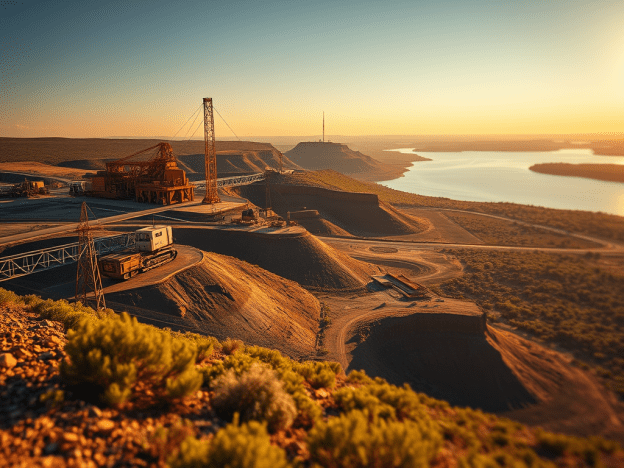
Mount Isa, often called “The Isa,” stands in the Gulf Country of Queensland, Australia. The city came to life thanks to the wealth buried beneath its dusty landscape. Vast deposits of copper, lead, zinc, and silver put the town on the map. Mount Isa Mines (MIM) is among the most productive in history. Its minerals have fueled economies and built communities for decades.
Before Europeans arrived, this land was part of a complex trade network. Tribes traded goods across the Lake Eyre Basin and beyond. The region was known for its stone, especially used for tools like hand axes. The area held meaning long before the first miner broke ground. Yet the minerals hidden deep underground would change the course of Mount Isa forever.
In 1923, John Campbell Miles discovered those riches. A lone prospector, he wandered into the area and stumbled upon the valuable deposits. Sending samples to Cloncurry confirmed the treasure he had found. Soon, a town sprang up. Miners flocked to the new city, chasing the promise of wealth. In time, Mount Isa became the administrative and industrial heart of Queensland’s north-west.
As the mines expanded, so did the town. The Leichhardt River divides it into two parts. On one side, there’s the industrial sector—”mineside.” The other is “townside,” home to the central business district and hospital. Recently, the town has been growing. New suburbs stretch out in the south-east and north. There’s room for more. Plans could support up to 40,000 people in the future.
The city’s landscape is harsh, but life flourishes around Lake Moondarra, an artificial lake created 19 kilometers north of town. This lake provides water for the city and a place for recreation—boating, birdwatching, and more. It’s a small oasis in the arid surroundings.
Yet, all is not perfect. Mount Isa’s mining success comes at a cost. Lead production creates pollution. The city has one of the most rigorous air monitoring systems in Australia. The dangers of childhood lead contamination weigh heavy on the minds of many locals. The mines bring jobs and wealth, but also risk.
Maggie Doyle knew these risks well. Born and raised in Mount Isa, she worked as a nurse at the Base Hospital on townside. The mines loomed large over her life, as they did for everyone. Her father had worked there, and her brothers too. Maggie, however, found her calling in helping those affected by the mines, especially the children.
One afternoon, a mother rushed into the hospital, her young son limp in her arms. He was pale, barely breathing. Maggie sprang into action, checking vitals, preparing treatments, working alongside the doctors. But something was wrong. The boy’s symptoms didn’t match any common illness. He was just eight, too young to have worked in the mines.
The mother, panicked, told Maggie everything. The boy had been playing near the river, on the mineside, as he often did. Maggie asked more questions, listening carefully. The symptoms clicked. Lead poisoning.
The doctors were puzzled, unsure of how a child could suffer from such high exposure. But Maggie knew. She had heard rumors of illegal dumping near the river. She had seen strange trucks late at night, their lights off, moving slowly along mineside roads. The water near the dump site was contaminated. The boy had been playing in the wrong place.
Maggie didn’t wait. After stabilizing the boy, she left the hospital and drove toward the river. The site she suspected was just as she remembered it—quiet, hidden from the main roads. She found traces of the dumping, the earth scarred with chemicals and waste. She called the authorities.
Days later, officials confirmed her suspicions. Illegal dumping had been happening for months, poisoning not just the water but the air as well. It explained the sudden spike in health issues, especially among children.
The mine’s management was held accountable. Fines were imposed, and the cleanup began. Air quality measures tightened, and the city invested in better safety systems.
But there was a twist. The dumping had been orchestrated not by rogue workers, but by a trusted local businessman who owned the waste disposal company contracted by the mine. He had cut corners to save money, jeopardizing the health of the entire town.
Maggie’s quick thinking saved the boy’s life, and her actions revealed a much larger threat to the community. She became a hero in Mount Isa, not for standing against the mines, but for making sure that the prosperity they brought didn’t come at the cost of the people’s health.
In the end, Mount Isa carried on, as it always had. The mines kept digging, the town kept growing, and Maggie, now a quiet legend, returned to her work at the hospital, ever watchful, ever aware of the fine balance between wealth and wellbeing in the place she called home.
 Motivation E-Books