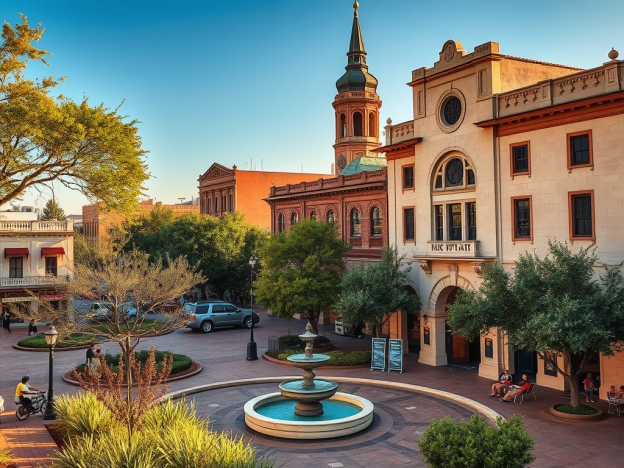
Georgetown, Texas, was founded in 1848. It grew because of its location along a key cattle trail. The town’s beauty brought people in, with its scenic Blue Hole lagoon and limestone buildings on the square. Over the years, people came and went. Growth was steady, but challenges arose.
Paul and Daisy moved to Georgetown in 2022. They were optimistic, as the town was growing fast. It was the fastest-growing city in the U.S. They wanted to build a church, but they had no idea how hard it would be.
“People are friendly here,” Paul said. “But they have so many options.”
Daisy nodded. “We’ll find a way. God will lead us.”
They started with a small building near the town square. Twenty people showed up for their first service. Daisy baked cookies. Paul preached about love. The congregation smiled. But smiles didn’t mean they would stay.
“We need a plan,” Daisy said. “Otherwise, we’ll just be a revolving door.”
Chapter 2: The Five Ideas
Paul and Daisy brainstormed five ways to grow their church.
- Host community events, like movie nights and picnics.
- Start small groups for deeper connection.
- Offer free coffee and breakfast at Sunday services.
- Launch a kids’ program with fun activities.
- Go door-to-door inviting people to church.
Paul wasn’t sure about all the ideas. “Do people even open doors for strangers anymore?” he asked.
Daisy laughed. “Only one way to find out.”
They presented the ideas to the board. The board shrugged. “Worth a try,” one member said. “Just don’t run out of money.”
Chapter 3: Results and Laughs
Over the year, they tried everything.
- Community events drew a crowd. Families came to picnics, but few came back for church. “They like the hot dogs,” Daisy joked. “Not the gospel.”
- Small groups were a hit. People opened up about life. One member shared, “I stayed because I finally felt seen.”
- Free coffee and breakfast caused chaos. One Sunday, Paul spilled coffee on his sermon notes. “Guess I’ll preach from memory,” he said. It kept people around after service, though.
- Kids’ program was a mixed bag. Some kids loved it. Others caused havoc. One child painted the walls with pudding. “Artistic expression,” Daisy called it.
- Door-to-door invites flopped. Most doors stayed closed. Paul once tripped over a lawn gnome. “This is why people shop online,” he grumbled.
By year’s end, attendance grew slightly. More importantly, people were building relationships.
Chapter 4: Reporting Back
At the board meeting, Paul and Daisy shared results.
“Community events brought awareness, not growth,” Daisy said. “Small groups worked because people want connection.”
Paul added, “Coffee kept people talking. Kids’ programs helped parents. But door-to-door didn’t work.”
The board discussed. One member said, “Small groups sound like the future. People crave intimacy, not crowds.” Another said, “Kids’ programs bring young families. That’s growth potential.”
The board voted to keep small groups, coffee, and kids’ programs. They cut community events and door-to-door invites.
“Why keep what works?” Daisy asked later.
“Because it’s about people, not programs,” Paul said.
Chapter 5: A Key to Growth
The conference invitation surprised them.
“They want us to talk about growing churches?” Paul said. “We’re barely growing.”
Daisy smiled. “Maybe that’s why. We’re honest.”
On stage, they shared their story. They laughed about spilled coffee and pudding-painted walls. Then they got serious.
“It’s not about numbers,” Paul said. “It’s about grace.”
Daisy added, “People don’t stay for flashy programs. They stay when they feel loved.”
Paul concluded, “The key? Don’t measure success by attendance. Measure it by relationships.”
The crowd erupted in applause. Afterward, one pastor said, “We’ve never thought of that.”
Daisy grinned. “It’s simple. Love works.”
 Motivation E-Books