Townsville began as a small port settlement. Early settlers were drawn by its proximity to the ocean and fertile land. The bay served as a natural harbor, and trade flourished. Ships carried goods inland, while cattle and crops flowed outward. The town’s population grew steadily, and with it, its reputation as a thriving hub in the region.
In the 1800s, Townsville became a key link between the coast and the goldfields further inland. Miners passed through, seeking fortune, and some stayed to build lives. Over time, industries like sugar and tourism joined agriculture as the backbone of the economy. By the mid-20th century, the town had grown into a city, boasting schools, hospitals, and a vibrant community life.
In recent years, Townsville has become known for its innovative youth programs. The Townsville Youth Foyer was established to support young people at risk of homelessness. Using an “Advantaged Thinking” approach, it provided education, housing, and employment opportunities. The Foyer quickly became a beacon of hope for many, transforming lives and strengthening the city’s social fabric.
Four Weeks in the Life of Ella and Max
Ella and Max were lifelong residents of Townsville. Both had seen the struggles faced by young people in their community. They decided to act. Together, they founded a youth center on the edge of town. It started small, just a rented space and a handful of volunteers.
Week One
The first week was chaos. Furniture arrived late, and the internet didn’t work. Max spent hours fixing broken chairs. Ella coordinated with local schools to spread the word. By Friday, the center opened its doors. Ten young people came that day. They were curious but cautious.
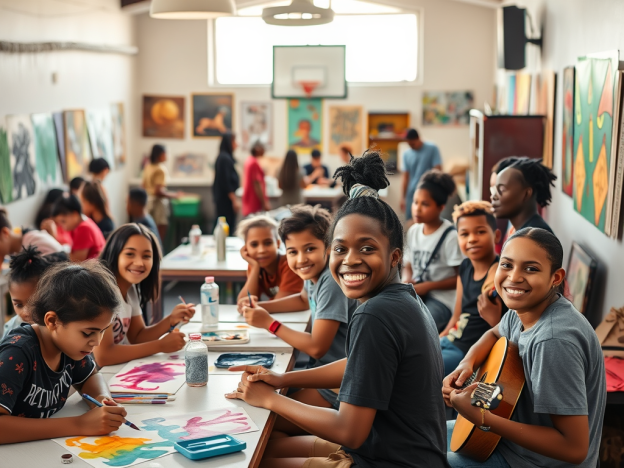
Ella led an art session, while Max set up a basketball game outside. The kids smiled, some for the first time in weeks.
Week Two
Word spread quickly. More young people came. Some needed a safe place to study; others just wanted someone to talk to. Max noticed one boy, Liam, sitting alone. He handed Liam a basketball. “Play a game with me?” he asked.
By the end of the game, Liam was laughing. Ella worked with a group of teens on resumes. “You’re good at this,” one girl told her. Ella nodded. She hoped they would see their own potential.
Week Three
A surprise came that week. A local bakery donated food for the center. “I heard what you’re doing,” the owner said. “Keep it up.” Ella and Max were overwhelmed.
They used the food to host a community dinner. Families joined, sitting together in a way Ella hadn’t seen before. Max noticed how the atmosphere shifted. “We’re building more than a center,” he thought. “We’re building trust.”
Week Four
The youth center was thriving. Every room was filled with activity. A music program started on Monday, led by a local musician. By Wednesday, Ella had secured a partnership with the Townsville Youth Foyer. They would provide coaching and support for education, employment, and housing.
On Friday, something unexpected happened. An older man walked in, looking nervous. He introduced himself as Sam. “I used to live here,” he said.
Max asked him to share his story. Sam explained he had been a troubled teen, in and out of shelters. He’d turned his life around thanks to a youth worker who believed in him. “Now I want to give back,” he said.
Ella and Max were speechless. Sam offered to volunteer every week. His presence became the surprise ending to a whirlwind month.
Legacy of the Youth Center
By the end of four weeks, the center had grown beyond its founders’ dreams. It wasn’t just a place for young people—it was a place for the entire community. The partnership with Townsville Youth Foyer strengthened its reach, offering structured support through “The Deal” and a pathway to brighter futures.
Ella and Max continued to work tirelessly, inspired by the transformations they saw. Sam became a mentor to the young people, sharing wisdom gained from his own journey.
Townsville thrived because of people like Ella, Max, and Sam. Their commitment reminded everyone that small actions could lead to big changes. The center became more than a building; it became a symbol of hope, resilience, and unity in the heart of the city.
 Motivation E-Books