Category Archives: church attendance

A Church Growth Plan

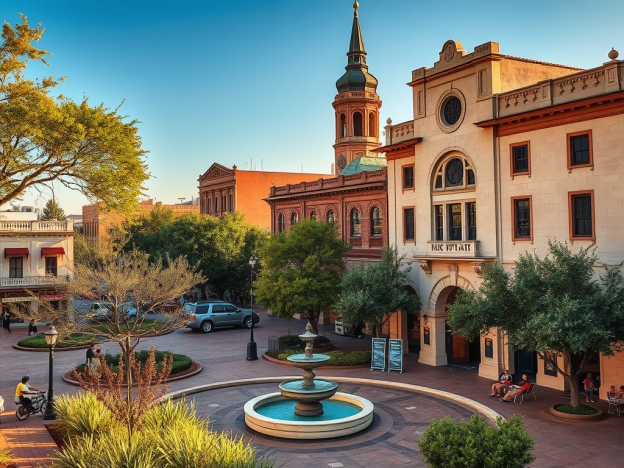
Georgetown, Texas, was founded in 1848. It grew because of its location along a key cattle trail. The town’s beauty brought people in, with its scenic Blue Hole lagoon and limestone buildings on the square. Over the years, people came and went. Growth was steady, but challenges arose.

Paul and Daisy moved to Georgetown in 2022. They were optimistic, as the town was growing fast. It was the fastest-growing city in the U.S. They wanted to build a church, but they had no idea how hard it would be.

“People are friendly here,” Paul said. “But they have so many options.”

Daisy nodded. “We’ll find a way. God will lead us.”

They started with a small building near the town square. Twenty people showed up for their first service. Daisy baked cookies. Paul preached about love. The congregation smiled. But smiles didn’t mean they would stay.

“We need a plan,” Daisy said. “Otherwise, we’ll just be a revolving door.”

Chapter 2: The Five Ideas

Paul and Daisy brainstormed five ways to grow their church.

  1. Host community events, like movie nights and picnics.
  2. Start small groups for deeper connection.
  3. Offer free coffee and breakfast at Sunday services.
  4. Launch a kids’ program with fun activities.
  5. Go door-to-door inviting people to church.

Paul wasn’t sure about all the ideas. “Do people even open doors for strangers anymore?” he asked.

Daisy laughed. “Only one way to find out.”

They presented the ideas to the board. The board shrugged. “Worth a try,” one member said. “Just don’t run out of money.”

Chapter 3: Results and Laughs

Over the year, they tried everything.

  • Community events drew a crowd. Families came to picnics, but few came back for church. “They like the hot dogs,” Daisy joked. “Not the gospel.”
  • Small groups were a hit. People opened up about life. One member shared, “I stayed because I finally felt seen.”
  • Free coffee and breakfast caused chaos. One Sunday, Paul spilled coffee on his sermon notes. “Guess I’ll preach from memory,” he said. It kept people around after service, though.
  • Kids’ program was a mixed bag. Some kids loved it. Others caused havoc. One child painted the walls with pudding. “Artistic expression,” Daisy called it.
  • Door-to-door invites flopped. Most doors stayed closed. Paul once tripped over a lawn gnome. “This is why people shop online,” he grumbled.

By year’s end, attendance grew slightly. More importantly, people were building relationships.

Chapter 4: Reporting Back

At the board meeting, Paul and Daisy shared results.

“Community events brought awareness, not growth,” Daisy said. “Small groups worked because people want connection.”

Paul added, “Coffee kept people talking. Kids’ programs helped parents. But door-to-door didn’t work.”

The board discussed. One member said, “Small groups sound like the future. People crave intimacy, not crowds.” Another said, “Kids’ programs bring young families. That’s growth potential.”

The board voted to keep small groups, coffee, and kids’ programs. They cut community events and door-to-door invites.

“Why keep what works?” Daisy asked later.

“Because it’s about people, not programs,” Paul said.

Chapter 5: A Key to Growth

The conference invitation surprised them.

“They want us to talk about growing churches?” Paul said. “We’re barely growing.”

Daisy smiled. “Maybe that’s why. We’re honest.”

On stage, they shared their story. They laughed about spilled coffee and pudding-painted walls. Then they got serious.

“It’s not about numbers,” Paul said. “It’s about grace.”

Daisy added, “People don’t stay for flashy programs. They stay when they feel loved.”

Paul concluded, “The key? Don’t measure success by attendance. Measure it by relationships.”

The crowd erupted in applause. Afterward, one pastor said, “We’ve never thought of that.”

Daisy grinned. “It’s simple. Love works.”

Their Church Was Not Growing

Daisy and Paul had a problem. Their church wasn’t growing. They had tried everything they could think of, but attendance was flat. People were busy, and church was not on the top of their to-do list. “We must use wisdom in how we live our lives and lead our church,” Paul said during a board meeting, “Growth won’t happen overnight, but we shouldn’t be discouraged by challenges.” Daisy nodded in agreement.

They brainstormed five ideas to try for the next year:

  1. Host a monthly community dinner.
  2. Offer free car washes every Saturday.
  3. Create a podcast about everyday faith.
  4. Start a kids’ soccer league.
  5. Hold Friday night karaoke and game nights.

“Let’s not just work hard; let’s work with purpose and faith,” Paul said thoughtfully. Daisy added, “It’s necessary for the work we’ve been called to.” They were optimistic, but results were uncertain.

Chapter 2: The Great Dinner Fiasco

The first community dinner had a rocky start. Daisy spent hours cooking, but only a handful of people showed up. The food was great, but the turnout was dismal. Paul reassured Daisy, saying, “Sometimes success isn’t about numbers; it’s about sowing seeds of connection. Let’s stay patient and consistent.”

In later months, attendance grew as word spread. People liked the free food and conversations. By the end of the year, the dinners became a hit, attracting more people from the community than any other event.

Chapter 3: The Car Wash Chaos

Paul’s idea of a free car wash seemed easy enough. They set up every Saturday, armed with hoses, soap, and volunteers. But the first day, Paul accidentally sprayed Mrs. Higgins in the face, causing her to shout words that would need a good church cleansing.

Still, the car washes became popular. Edward Lee, who took pity on Paul’s soaked mess, helped organize the volunteers better. He made sure every car had a tract on its dashboard before it left Pit Stop. People appreciated the service, and some even came to church.

However, one rainy Saturday killed their enthusiasm. Few showed up, and they realized it was hard work with inconsistent results. “Sometimes, not every effort yields fruit, but it shows our willingness to serve,” Paul reflected. The car washes worked but weren’t sustainable every week.

Chapter 4: Soccer, Podcasts, and Karaoke Nights

The kids’ soccer league was a win. Parents brought their children, and some stayed to chat. Even Paul joined in, trying his best to look athletic. “In times of acceleration, we praise Him, but we must also praise Him in the slow moments,” he reminded Daisy after getting winded chasing a six-year-old. By the season’s end, the church had new families attending.

The podcast was another story. Paul and Daisy had the enthusiasm but not the tech skills. Their first episode was full of awkward pauses, and Paul accidentally said, “Being the funny guy is not normal for me,” while Daisy tried to fix the microphone. Few people tuned in. It flopped.

Friday night karaoke was a mixed bag. Daisy loved singing old gospel tunes, but Paul’s rendition of Elvis scared a few people away. Still, the game nights brought in a crowd. Young adults and teens found a place to connect. Paul often said, “People are weary, but joy can be a bridge to the gospel.” Even if some came just for the fun, it was a step closer to connection.

Chapter 5: Reporting to the Board

After a year, Daisy and Paul met with the church board to report their findings. “We’ve learned valuable lessons,” Daisy started. “Not every idea brought immediate success, but each effort was part of our journey,” Paul added with a reflective smile.

Here’s what they shared:

  • Community Dinners: Success. They built relationships and got new faces in the pews.
  • Car Washes: Mixed. People liked it, but it was too much work to keep going.
  • Soccer League: Huge win. Families connected, and kids had fun.
  • Podcast: Total flop. No audience, and it took too much time.
  • Karaoke Nights: Surprisingly effective. People wanted fun and a safe place to be.

The board listened carefully. After deliberation, they voted to keep the community dinners, soccer league, and karaoke nights. These efforts brought people together in simple, joyful ways. “We must learn to discern what bears fruit and what simply keeps us busy,” Paul said, reflecting on what didn’t work.

As for the car washes and podcasts? They were put to rest, with no hard feelings. The board recognized the wisdom in trying and learning. Daisy and Paul left the meeting with renewed hope. They would keep what worked and, with God’s help, continue to grow their little church.

“Thank You, Lord,” Paul said on the way out. “Wisdom comes not just from success but from understanding our failures,” Daisy added, smiling. They had found their way by believing, by learning, and by keeping things grounded in wisdom and purpose.