Tag Archives: business partner

Emily’s Journey: Starting a Boutique in Leavenworth

Leavenworth is a small town nestled in the Cascade Mountains. It wasn’t always a Bavarian village. Decades ago, it was a logging town, bustling with sawmills and lumber workers. But when the logging industry collapsed in the mid-1900s, so did the town. Storefronts emptied, people moved away, and the streets became eerily quiet.

In the 1960s, a bold plan was proposed. The town would reinvent itself as a Bavarian-style village to draw tourists. It worked. By the 1980s, Leavenworth was thriving again. Visitors flocked to see the quaint Alpine buildings, sample German sausages, and enjoy seasonal festivals. Locals embraced the change, running shops, restaurants, and outdoor adventure companies.

One of those locals was Emily Keller. At 25, she worked at Heidi’s Boutique, a small clothing store on the main street. Emily spent her days folding dirndl dresses and arranging scarves in window displays. She smiled at tourists and helped them choose gifts. But after six years, the work felt repetitive. She wanted something more.

One spring morning, Emily confided in her best friend. They sat on a bench near the Maifest decorations.

“I’m tired of selling other people’s clothes,” Emily said. “I want to do something on my own.”

“What would you do?” she asked.

“I don’t know yet,” Emily admitted. “But I’ll figure it out.”

Weeks passed, and Emily couldn’t shake the idea of starting her own business. She saved her paychecks and researched online. Then, at a community dinner, she overheard two locals talking about importing goods from China.

“It’s not hard,” one said. “You find a supplier, get samples, and place an order.”

Emily’s curiosity sparked. She approached the man after dinner.

“How does someone get started importing clothes?” she asked.

He smiled. “It’s all about finding the right contacts. I went to a trade show in Guangzhou. That’s where I met my suppliers.”

Emily thanked him and went home to research Guangzhou. She learned about the Canton Fair, a massive trade show for international buyers. She decided to go.

Her family was surprised when she announced her plan.

“You’ve never even left Washington,” her father said.

“I’ll figure it out,” Emily replied. Her determination silenced further protests. Her parents helped her book the flight, and her younger brother lent her a suitcase.

In October, Emily landed in China. The scale of Guangzhou overwhelmed her at first. The streets were crowded, the air thick with humidity. But when she entered the Canton Fair, she felt a rush of excitement. Booths stretched as far as she could see, displaying clothes, shoes, and accessories. She spent three days talking to vendors and collecting samples.

One vendor stood out. Mr. Zhang specialized in custom-designed dresses. He listened carefully as Emily described her vision: modern clothing with Bavarian touches, like floral embroidery and lace trim. He nodded and promised quick production times.

Emily returned to Leavenworth with a suitcase full of samples. She set up a pop-up shop in her parents’ garage to test the market. Tourists loved her designs. By December, she had enough orders to rent a small storefront.

Her family pitched in to help. Her mother sewed tags onto clothes. Her father built shelves for the shop. Even her brother worked the cash register on weekends. The shop, which Emily named Edelweiss Apparel, opened just before Christmas.

Business boomed during the holidays. Tourists loved the unique blend of modern and Bavarian styles. Locals supported her too, proud to see one of their own succeed.

But success brought challenges. By February, Emily struggled to keep up with demand. She placed a second order with Mr. Zhang, but the shipment was delayed. Customers grew impatient. Emily stayed up late writing apology emails.

One night, as she reviewed her accounts, Emily noticed a problem. Mr. Zhang had overcharged her for shipping. She emailed him, but his response was vague. Suspicion crept in. Had she trusted the wrong supplier?

Emily decided to confront him directly. She booked another flight to Guangzhou. When she arrived at Mr. Zhang’s office, she found it empty. A neighbor told her the business had closed.

Frustrated but determined, Emily visited other factories she had seen at the Canton Fair. One factory owner, Ms. Lin, seemed trustworthy. She offered competitive prices and shorter shipping times. Emily signed a new contract and returned to Leavenworth feeling hopeful.

Spring brought fresh opportunities. Emily introduced new designs inspired by the Maifest festival. Her shop became a favorite among tourists, and her reputation grew. By summer, she had hired two employees and launched an online store.

Then came the twist. One day, Emily received an email from a lawyer in Guangzhou. Mr. Zhang had been arrested for fraud. His assets were frozen, but Emily was listed as a creditor. She was entitled to a small compensation. It wasn’t much, but it felt like justice.

As the year drew to a close, Emily reflected on her journey. She had taken risks, faced setbacks, and learned valuable lessons. Her shop was thriving, but she wasn’t done yet.

At a family dinner, she shared her next idea.

“I want to design outdoor clothing,” she said. “Something functional but with a Bavarian touch. Jackets, hiking pants, that sort of thing.”

Her father raised his glass. “To Emily,” he said. “The girl who turned a dream into a business.”
Secret Business Partner

Knoxville, Tennessee, wears its quirks like a badge. From its scrappy rise to hosting the 1982 World’s Fair to its gold-dusted Sunsphere, the town embodies resilience and pride. The story of Knoxville, however, is more than its celebrated landmarks. It is a tale of reinvention, secrets, and the quiet determination of its people.

James White established the first settlement in 1786. Nestled at the headwaters of the Tennessee River, the small fort grew as families moved in. The land’s abundance made it appealing, though its history was marked by conflict and compromise. By 1791, Knoxville officially earned its name, and soon after, Blount College began shaping young minds.

Fast forward to 1982: the World’s Fair changed the city. The “scruffy little city,” as a Wall Street Journal reporter called it, became a hub of innovation. Its citizens embraced the jab. “Scruffy” became a slogan for their indomitable spirit.

Amidst all this history lies an untold story—a month that defined the grit of Knoxville in ways no one expected.


The Woman in the Shop

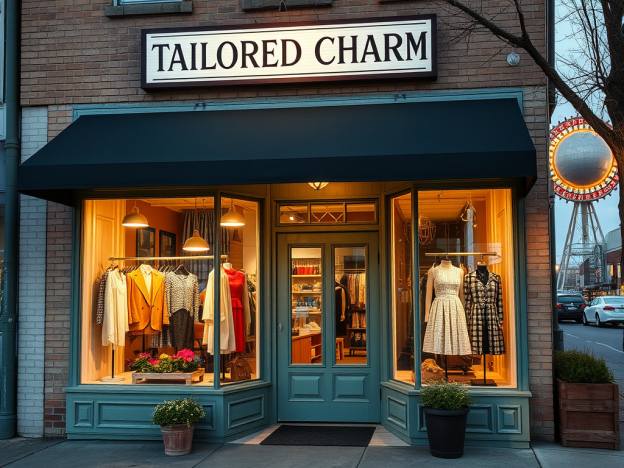
In October of 2001, Anna Marlowe arrived in Knoxville with a single suitcase. She rented a room above a bakery and soon found work at a small clothing shop, “Tailored Charm,” on Gay Street. Within weeks, the shop’s elderly owner, Mrs. Dyer, announced her retirement.

“You have good instincts,” Mrs. Dyer said, handing Anna the shop keys one brisk morning. “It’s yours, if you want it.”

Anna was stunned. “I don’t have the money.”

“You’ll figure it out,” Mrs. Dyer replied with a knowing smile.

Anna took a leap. She signed the papers. Within days, she was the owner of Tailored Charm. But Anna had a secret. A partner had fronted most of the money. This partner insisted on anonymity, communicating only through terse notes and occasional envelopes of cash.


Knoxville’s Gossip Mill

By mid-October, the shop began attracting attention. Anna had transformed it with bold window displays and a sharp inventory. Rumors swirled about her mysterious backer.

“She’s working for some bigwig,” said one passerby.

“Nah,” countered another. “Probably family money.”

Anna kept quiet. She worked long hours, building the shop’s reputation. Customers loved her eye for detail. Her style was understated but striking. Business boomed.


A Stranger’s Arrival

One evening, a man in a gray suit walked into Tailored Charm. He scanned the racks and placed an envelope on the counter.

“This is from your partner,” he said.

Anna hesitated. “Who are you?”

“Just the messenger,” he replied. “Your partner has a request.”

Anna opened the envelope. Inside was a handwritten note: “Make the shop profitable within the month. Or else.”

She stared at the words. Profitable? They were doing fine—weren’t they?

The man was gone before she could ask more.


The Month Unravels

Anna worked harder than ever. She expanded hours, introduced promotions, and even hired a local teenager, Molly, to help. Yet the sense of unease lingered.

Molly noticed Anna’s tension. “You okay?”

Anna nodded. “Just tired.”

Molly shrugged. “You’re doing great. Everyone’s talking about this place.”

But Anna wasn’t sure. The cash flow seemed inconsistent. Some invoices didn’t add up. One night, she stayed late, poring over records. That’s when she noticed something odd—every Thursday, a sum of money disappeared from the account.


The Mystery Deepens

By late October, Knoxville’s gossip mill shifted into overdrive. Some claimed Anna was laundering money. Others whispered about a secret inheritance.

One Thursday evening, Anna decided to confront the situation. She stayed hidden in the shop’s back office, watching the security feed. At 10 p.m., she saw Molly enter the store.

“Molly?” Anna whispered.

The teenager opened the register and pulled out a stack of bills. She slipped them into her bag and walked out.


Confrontation

The next morning, Anna asked Molly to meet her before opening.

“I saw you last night,” Anna said, her voice steady.

Molly froze. “I… I was going to return it.”

Anna crossed her arms. “Why?”

Molly hesitated. “I owe someone. A lot.”

Anna frowned. “Who?”


The Two Mysteries

Molly’s story revealed one part of the mystery. She had been coerced into taking the money by a loan shark who frequented the area. But Anna wasn’t convinced this was the whole truth. She pressed further.

“Who’s your partner?” Molly asked.

Anna sighed. “I don’t know.”

“Maybe it’s the same guy.”

It seemed plausible. But Anna couldn’t shake the feeling that something bigger was at play.


The Twist

The truth came out on Halloween. A new envelope arrived, this time without the gray-suited man. Inside was a single line: “Check the Sunsphere.”

Anna went at dawn. At the top, she found an older woman waiting.

“Mrs. Dyer?” Anna asked, shocked.

The former shop owner nodded. “I’m your partner.”

Anna’s mouth fell open. “Why the secrecy?”

Mrs. Dyer smiled faintly. “I wanted to see if you could handle it. You’ve done well, despite the obstacles.”

Anna’s mind raced. “The threats?”

Mrs. Dyer shrugged. “Motivation.”


The Surprise Ending

Before Anna could respond, Mrs. Dyer handed her a final envelope. “This is yours now. No more tests.”

Inside was the shop’s deed, debt-free.

Molly’s debts were resolved the next day. Mrs. Dyer had paid them quietly. When Anna asked why she orchestrated such an elaborate test, Mrs. Dyer only said, “Knoxville thrives on stories. Now, you’re part of one.”

From that day forward, Tailored Charm flourished, its origins a favorite tale of Gay Street.

Two Possible Answers

Was Mrs. Dyer testing Anna’s resilience—or was she merely ensuring the shop stayed afloat without taking on unnecessary risks? Or perhaps, Mrs. Dyer had her own secret debts to resolve, and Anna’s efforts bought her time.

In the end, the truth was simpler: Knoxville, with all its scruffy charm, thrives on its people. Anna, Molly, and Mrs. Dyer became part of the fabric, their story woven into the city’s golden patina.