
Healing: God’s Will and Your Faith

Chapter 1: The Truth of the Gospel

Men live in confusion, misled by ministers, preachers, and writers who muddy the clear truth of God’s Word. Yet, when we read the Gospel plainly, without human interpretations, we see that Jesus healed all who came to Him. Not once did He delay healing or declare it was “not the right time.” These human explanations, designed to absolve personal responsibility, leave people sick and dying prematurely, with false claims like, “God needed another angel.” While those saved go to heaven, we’re not meant to be robbed of fruitful years here on Earth.

Do you believe you have a Healer? Declare: “I have a Savior, and I’m saved. I also have a Healer, and I’m healed. It is His will to heal me.” Healing, like salvation, is God’s will, bought and paid for. Yet millions of Christians doubt this truth, keeping them from receiving His healing power. Faith begins where God’s will is known. Just as salvation comes through knowing God’s love and accepting Jesus, healing comes through believing it’s His will and receiving it by faith. God’s plan is clear: trust in His Word, act in faith, and receive the healing that is already yours.


Chapter 2: Faith’s Role in Healing

God’s promises are accessed by grace through faith. Even if healing is provided, it must be actively received. Just as a meal purchased for you doesn’t satisfy until you take and eat, healing must be appropriated through faith. Many Christians fail to receive because they either doubt God’s will or stray from His path. Disobedience can lead us down roads of unnecessary suffering. But God’s desire is for us to live whole and fruitful lives, walking in alignment with His perfect will.

The Gospels repeatedly highlight faith as a key factor in healing. Jesus often asked, “Do you believe I can do this?” to reveal the importance of personal faith. Whether it was the blind men in Matthew 9 or the woman with the issue of blood, their faith unlocked their healing. Jesus didn’t heal indiscriminately; He worked in partnership with people’s faith. “According to your faith, be it unto you,” He declared. Today, His power remains available. You don’t need anyone else to lay hands on you—simply believe His words and receive His touch right where you are.


Chapter 3: Faith That Moves Mountains

Faith is the foundation for receiving miracles, and Scripture gives us countless examples. In ten out of the nineteen detailed healings in the Gospels, Jesus explicitly credits faith as the determining factor. From the nobleman’s son to the paralytic let down through the roof, their faith activated God’s healing power. Yet, nowhere in Scripture do we find Jesus attributing healing to God’s mysterious will or timing. Instead, He emphasized faith: “Your faith has made you whole.”

Healing, like salvation, is directly tied to belief. Doubting God’s will for healing is akin to doubting His will for salvation—it hinders us from receiving His gifts. While many propagate doctrines that suggest healing is arbitrary, these teachings lack biblical support. Jesus’ words are clear: “As you have believed, so be it done unto you.” When we align our faith with God’s Word, miracles follow. No matter how dire the diagnosis, faith in His promises brings restoration and life.


Chapter 4: The Simplicity of Healing

Healing isn’t complex—it’s rooted in simple, childlike faith. Just as salvation comes by believing in Jesus and confessing Him as Lord, healing is received by believing and declaring His promises. The same power that raised Jesus from the dead resides in us, ready to restore and renew. The enemy wants us to think healing is hard, but God’s Word assures us it’s as straightforward as trusting and receiving.

Testimonies abound of those healed by believing God’s Word. From paralyzed limbs restored to terminal illnesses reversed, the power of faith transforms lives. A woman once paralyzed simply believed she was healed, and her body responded immediately. Jesus has already done the hard part—bearing our infirmities and pains. We need only to believe and receive. His Word is unchanging: “By His stripes, we are healed.”


Chapter 5: Thirty Reasons for Healing

The Word of God is a wellspring of reasons why healing is God’s will. It provides assurance that no matter the condition or the odds, healing is available to all who believe. Like Paul reasoning from the Scriptures, we too can build an unshakable foundation of faith. The Bible offers numerous examples and promises that confirm healing is God’s plan, from Old Testament prophecies to the ministry of Jesus.

Faith comes by hearing the Word repeatedly. God’s promises are clear: He sent His Word to heal and deliver us. As we meditate on Scripture, doubts and fears are replaced with confidence and peace. The Word has the power to transform not just our minds but our bodies. When we know and believe the truth, miracles become inevitable. Healing is not just possible—it is God’s will for you. Say it aloud: “I’ve heard from heaven. I believe His Word. I am healed.”
Understanding God’s Will Through Jesus’ Healing

Chapter 1: The Cry of the Leper and the Heart of God

In Luke 5:12, a man full of leprosy approaches Jesus with a desperate plea: “Lord, if thou wilt, thou canst make me clean.” This man’s condition was more than a physical affliction; it was a social and spiritual death sentence. Yet, his faith was alive. He believed Jesus had the power to heal him but questioned His willingness. How many today share this doubt? They acknowledge God’s power yet question His heart. Jesus’ response to this man was clear and immediate: “I will: be thou clean.” Not only did He touch the untouchable, but He also demonstrated that God’s will is to heal and restore. This encounter teaches us that God’s will is not mysterious or capricious but rooted in His unchanging nature of love and mercy. Just as Jesus reached out to the leper, He reaches out to you today. The good news is that God’s will for your healing and salvation has not changed. The same Jesus who healed the leper is ready to meet your need now.


Chapter 2: Dispelling the Doubts About God’s Will

Many believers wrestle with the question, “Is it God’s will to heal me?” They pray, “Lord, if it be Thy will,” and wait for results to confirm God’s intentions. But friends, we don’t determine God’s will by outcomes; we discover it in His Word. Jesus never told anyone seeking healing, “I won’t.” Instead, He consistently revealed God’s will by saying, “I will.” If healing were only for a select few, Scripture would have recorded instances of Jesus refusing to heal—but there are none. The Bible declares that God is no respecter of persons (Acts 10:34). What He did for one, He will do for all. Believing otherwise undermines the consistency of God’s character. Romans 12:2 calls us to renew our minds so that we can discern the good, acceptable, and perfect will of God. This renewal comes through the Word, which repeatedly affirms that healing, restoration, and life are God’s will for His children. Let us stand firm on this truth: the same Jesus who healed the leper says to you today, “I will.”


Chapter 3: Understanding the Will of God

To understand God’s will, we must first reject the flawed idea that everything happening in life is His will. The Bible makes it clear: not all actions align with God’s desires. First Thessalonians 4:3 tells us that God’s will is our sanctification, yet sin persists in the world. Similarly, while 1 Thessalonians 5:18 calls us to give thanks in all things, we know that many fail to do so. Does this mean God’s will is inconsistent? No, it means we must align our choices with His revealed will. Ephesians 5:17 commands us to understand what the will of the Lord is. Where do we find this understanding? In His Word. The life and ministry of Jesus provide the clearest revelation of God’s will. Jesus healed, forgave, and restored—all direct reflections of the Father’s heart. If you want to know God’s will for your life, look to Jesus. His actions were not isolated incidents; they were eternal declarations of God’s purpose for humanity.


Chapter 4: Renewing the Mind to Prove His Will

Romans 12:2 reminds us that discerning God’s will requires transformation. Our minds must be renewed, reprogrammed by His Word. Too often, believers accept sickness or hardship as God’s mysterious plan, yet fail to seek His promises in Scripture. This passive approach is not faith; it is spiritual laziness. The Word of God calls us to test and prove His will in every situation. Jesus Himself said, “If you’ve seen Me, you’ve seen the Father.” Every miracle, every act of compassion, was a revelation of God’s will. When Jesus healed the leper, He wasn’t just addressing one man’s need—He was declaring God’s eternal purpose for humanity: healing, restoration, and life. This same truth applies to you. Renew your mind with the Word. Let it erase every doubt and replace it with the unwavering conviction that God’s will is good, acceptable, and perfect.


Chapter 5: Living in the Assurance of His Will

The story of the leper in Luke 5 is not just history; it is a timeless testament to God’s will for all who believe. Jesus’ declaration, “I will,” echoes across the ages, affirming that His will has not changed. Yet, millions live uncertain, praying prayers that lack the boldness of faith. Friends, this should not be! The Bible is clear: God desires your healing, salvation, and wholeness. But to walk in His will, you must first believe it. Ephesians 5:17 urges us not to be unwise but to grasp firmly the will of the Lord. This understanding comes from His Word, the final authority for faith and practice. Don’t let tradition or human reasoning rob you of God’s promises. Stand on His Word, which declares His will for your life: forgiveness for your sins, healing for your body, and peace for your soul. Just as Jesus reached out to the leper, He reaches out to you today with the same assurance: “I will.” Believe it. Receive it. Live in the fullness of God’s will for your life.

River of Faith in Mildura, Australia

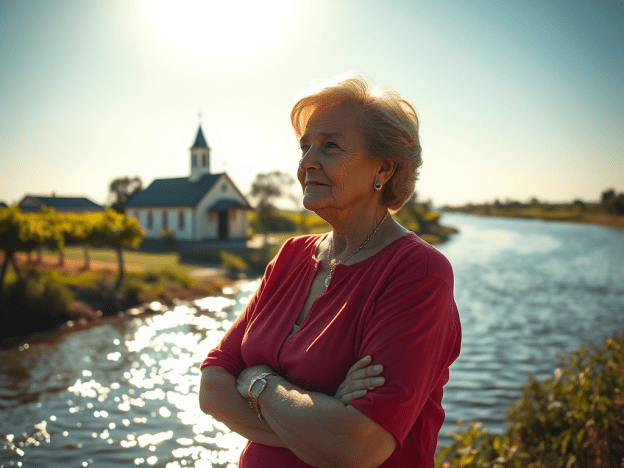
Mildura, Victoria, sits on the banks of the Murray River, a town of quiet charm and steadfast community. Its history tells of farmers, fruit growers, and families weaving their lives together through shared effort and faith. Yet, in 2024, amidst the vineyards and sunshine, a subtle shift began with a young woman named Hilda Anders.

Hilda grew up in Mildura, the youngest of three children. Her parents ran a small fruit stand by the market. Faith was central to their lives, with Sundays reserved for worship at Grace Chapel, a modest church near the town’s edge. Grace Chapel had been a cornerstone of Mildura for over a century. Its congregation was small but steady, a gathering of familiar faces. Yet, Hilda noticed something unsettling—the pews were emptier than they’d been a decade ago.

One Sunday afternoon, Hilda approached her pastor, Reverend Daniels. “Why aren’t more people coming to Grace?” she asked.

The Reverend sighed. “Times change, Hilda. People have busy lives, distractions. Faith takes commitment.”

Hilda wasn’t satisfied. She loved her church and felt its message should resonate with more people. Determined to find answers, she began reading the Bible in depth. Over weeks, she compared passages, studied sermons, and even consulted commentaries. Yet, she found no flaw in the doctrine or its teachings.

“Maybe it’s not about the Bible,” her brother James suggested one evening. They were sitting by the river, fishing rods in hand.

“Then what?” Hilda asked.

“I heard about a church in Red Cliffs,” James said. “It’s growing fast. Maybe check it out.”

The following Sunday, Hilda visited Spirit Hill Fellowship. The contrast was striking. The sanctuary was vibrant, filled with people of all ages. The music was lively, and the pastor, Pastor Logan, spoke with a dynamic energy that captivated the crowd. After the service, Hilda stayed to observe.

She noticed how welcoming the members were. Newcomers were greeted warmly, and small groups formed organically to discuss the sermon. The atmosphere buzzed with community.

Over the next month, Hilda attended both Grace Chapel and Spirit Hill Fellowship. She paid close attention to the sermons, the structure of the services, and the interactions among the congregants. She kept notes, comparing the two churches.

One evening, she shared her observations with her parents. “Spirit Hill isn’t just preaching; they’re connecting. They’re showing how faith fits into everyday life.”

Her father nodded. “That’s important. People need to see the relevance.”

Hilda decided to act. She approached Reverend Daniels with her findings. “We need to make Grace more engaging,” she said. “People are looking for connection, not just tradition.”

Reverend Daniels was hesitant. “Change isn’t easy, Hilda. But I’ll consider it.”

Encouraged, Hilda organized a community event at Grace. She invited families, set up games for children, and arranged a potluck dinner. She also initiated a Bible study group focused on practical application, attracting younger participants.

Attendance began to improve. The pews filled, and the congregation’s energy grew. Hilda felt hopeful. Yet, she couldn’t shake a feeling that something was missing.

One Sunday after service, she stayed behind to pray. As she knelt, a voice startled her. “You’re doing good work here.”

It was Pastor Logan from Spirit Hill Fellowship. “I heard about your efforts,” he said. “Impressive.”

“Thank you,” Hilda replied. “But I still feel like I’m not seeing the whole picture.”

“Faith is about more than growth,” Pastor Logan said. “It’s about authenticity. People sense when it’s real.”

His words stayed with Hilda. She realized she’d been focused on numbers, not depth. That week, she shifted her approach. She encouraged members to share their stories during service and fostered deeper conversations in Bible study. The changes brought a new sense of purpose to the congregation.

By December, Grace Chapel was thriving. But something curious began happening. People reported strange, uplifting dreams after attending services. Others spoke of a soft, unexplainable glow in the chapel during evening prayers. Hilda herself experienced a moment where she felt an unseen presence guide her thoughts while reading scripture. The congregation began to grow faster than expected, and rumors of the supernatural drew more visitors.

One night, Hilda stayed late at Grace, organizing hymnals. She saw a faint light emanating from the altar. As she approached, she felt warmth and a sense of peace unlike anything before. She knelt and prayed, and for the first time, she heard a voice, calm and clear, “Continue your journey, Hilda. There is more to discover.”

On Christmas Eve, after the candlelight service, Reverend Daniels approached her. “You’ve done wonders here, Hilda. What’s next for you?”

Hilda smiled. “I’ve been hearing about a mission in Robinvale. They’re working with isolated communities. I think I can help.”

As she left the church that night, the stars above Mildura seemed brighter. Hilda knew her work at Grace Chapel was just the beginning. She felt ready for her next adventure, carrying the lessons of faith, connection, and authenticity—and perhaps a touch of the supernatural—with her into the new year.